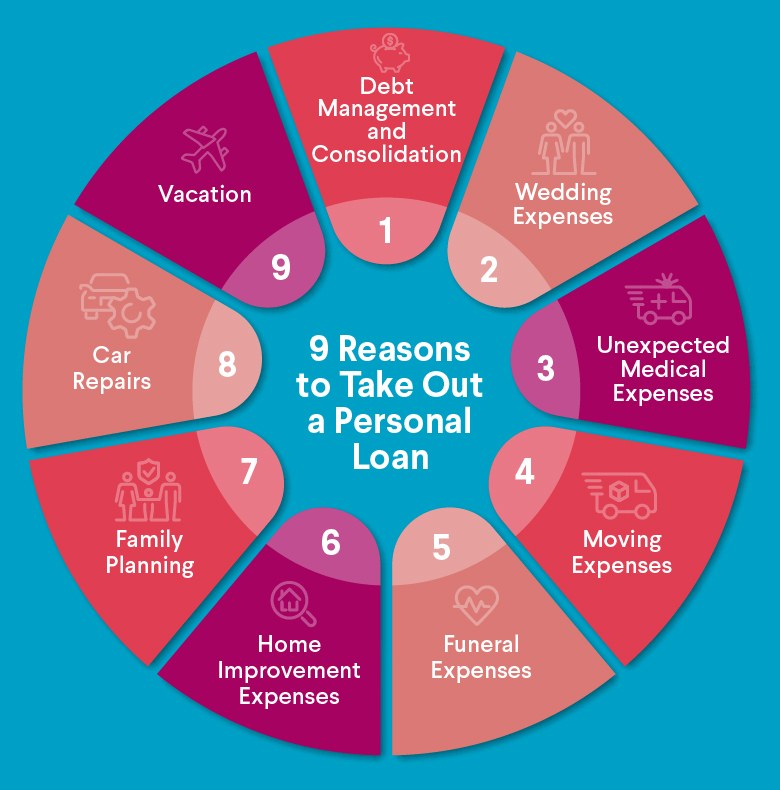
Managing your money well comes down to knowing the difference between productive debt and a consumer trap. You’ve got to prioritize high-interest debt while keeping enough cash on hand to handle life’s sudden, expensive surprises.
The reality of credit accessibility
Credit is a massive part of modern life. Most people don’t realize how much their daily habits actually affect their ability to borrow. It isn’t just a number on a screen; it’s about how you handle the small stuff every month. If you miss a utility bill payment, it can ripple through your entire financial profile.
When you look at loan options, you’ll see a mess of different terms and structures. Some loans are meant to be paid off fast, while others stretch out over years. This choice hits your monthly cash flow harder than almost anything else. You have to weigh the benefit of a lower monthly payment against the total cost of the interest you’ll eventually pay.
I see a lot of people fall into the trap of thinking a high credit limit is the same thing as extra wealth. It isn’t. A limit is just permission to spend money you haven’t even earned yet. Using that limit to fund a lifestyle you can’t afford creates a cycle that’s notoriously hard to break. It’s a slippery slope, and many people start sliding before they even notice the tilt.
If you need to bridge a gap for a specific, necessary purchase, you should apply for a loan here to see what terms are available to you. Comparing different lenders is the only way to ensure you aren’t overpaying for the privilege of borrowing. Don’t just take the first offer that hits your inbox. The first offer is rarely the best one for your specific situation.
Lenders look at more than just your income. They want to see stability. They want to see that you’ve lived in the same place for a while and that your income doesn’t jump around wildly every month. That stability gives them the confidence to lend you their money. Without it, you’re just a high-risk gamble to them (and they’re very good at not losing those gambles).
Evaluating the cost of borrowed capital
Interest is just the price you pay for time. When you borrow money, you’re essentially buying time. If you need a car today but won’t have the cash for three years, the interest is the fee for that three-year window. If you don’t understand the math behind that fee, you’re effectively flying blind in a storm.
You’ll run into a few different interest structures. Understanding them is the difference between being in control and being controlled by your debt. Some people prefer fixed rates because they’re predictable. You know exactly what you owe every month, which makes budgeting much simpler.
Variable rates are the opposite. They can start lower, which looks great on a brochure, but they can climb higher when the economy shifts. This uncertainty can wreck a budget built on the assumption of a steady monthly payment. Is it worth the risk to save a little money upfront if it might cost you much more later? That’s a question you have to answer for yourself.
The way you structure your repayments matters, too. Consider these common approaches:
- Amortized payments: You pay a set amount each month, with more going to interest at the start and more to the principal at the end.
- Balloon payments: These involve small payments for a while, followed by a massive lump-sum payment that can catch people completely off guard.
- Interest-only periods: You pay only the interest for a set time, which keeps payments low, but your debt doesn’t decrease at all during that period.
It’s easy to get distracted by a low monthly payment. A low payment looks like a win, but it often just means you’re extending the life of the loan. The longer the loan lasts, the more you pay the lender in the long run. Always look at the total repayment amount before you sign anything.
Navigating the debt hierarchy
Not all debt is created equal. There’s a massive difference between a mortgage and a high-interest credit card balance. One is often an investment in an asset that might increase in value, while the other is a tool for consuming things that lose value immediately. Treating them with the same urgency is a mistake.
People often try to pay off everything at once. That’s a noble goal, but it isn’t always the smartest move mathematically. If you have a debt with a very low interest rate and another with a very high one, your money should go toward the high-interest one first. This is the best way to stop the bleeding. Every dollar spent on a low-interest loan when you have high-interest debt is a dollar wasted on interest.
Some people prefer the psychological win of paying off the smallest balance first. That’s the snowball method. It doesn’t save you as much in interest, but it gives you momentum. If seeing a zero balance on a small account motivates you to keep going, that might be the better path for you. Finance is as much about psychology as it is about math.
| Debt Type | Typical Interest Priority | Impact on Net Worth |
|---|---|---|
| Credit Cards | Highest | Negative (Consumption) |
| Personal Loans | Medium | Neutral/Negative (Purposeful) |
| Student Loans | Low/Medium | Variable (Investment) |
| Mortgages | Lowest | Positive (Asset-based) |
Managing this hierarchy requires discipline. It means saying no to new debt while you’re still chipping away at the old debt. It means resisting the urge to use a credit card for a purchase that you know will just sit in your closet for a month. If you can’t pay for it in cash, you probably shouldn’t buy it right now.
Building a buffer against volatility
The biggest threat to a solid financial plan is an unexpected expense. A broken water heater or a sudden car repair can derail months of disciplined saving. This is why an emergency fund is non-negotiable. It isn’t a “savings account” for a vacation or a new TV; it’s a shield against the unpredictability of life.
A common mistake is building a buffer that’s too small. People often aim for one month of expenses, but life rarely only presents one month of trouble. If you have an emergency fund that covers three to six months of basic living costs, you’re in a much stronger position. This buffer lets you avoid taking on high-interest debt when things go wrong. It turns a potential crisis into a mere inconvenience.
Automating your savings is the most effective way to build this buffer. If the money moves from your checking to your savings before you even see it, you won’t miss it. It removes the need for willpower. Willpower is a finite resource that fails when you’re tired, stressed, or distracted. Automation does not get tired.
Once your buffer is established, you can shift your focus back to building wealth or aggressive debt repayment. You shouldn’t rush into heavy investments if you don’t have that cash cushion. The market is volatile, and you don’t want to be forced to sell your investments at a loss just because your car needed new tires. Stability is the foundation of everything else.
Keep your emergency fund in a separate account from your daily spending money. If it’s too easy to access, you’ll find reasons to spend it on things that aren’t actually emergencies. A little bit of friction between you and your savings is a good thing.
Always review your interest rates at least once a year to see if refinancing would save you money.
Quick answers
What is the difference between a personal loan and a line of credit?
A personal loan provides a lump sum of cash upfront with fixed interest rates, whereas a line of credit allows you to draw funds as needed up to a specific limit.
How does my credit score affect personal loan interest rates?
A higher credit score typically qualifies you for lower interest rates and better terms, reducing the total cost of borrowing.
Can I use a personal loan to consolidate debt?
Yes, debt consolidation loans are specifically designed to combine multiple high-interest debts into a single monthly payment with a potentially lower interest rate.
What are the common requirements for qualifying for a loan?
Lenders typically require proof of steady income, a stable employment history, a minimum credit score, and a debt-to-income ratio within their acceptable range.
Are there penalties for paying off a personal loan early?
Some loans include prepayment penalties, so it is essential to check your loan agreement to see if you can pay off the balance early without extra fees.