Regular roof inspections play an essential role in safeguarding a homeowner’s investment. By identifying minor issues early, these inspections can prevent the escalation of costly repairs. A systematic approach to inspecting roofs can reveal vulnerabilities that may otherwise go unnoticed. Understanding the detailed steps involved in this process highlights its significance. Homeowners may find themselves questioning how neglecting these inspections could lead to unexpected financial burdens. Exploring this further can uncover vital strategies for effective roof maintenance.
Key Takeaways
- Regular inspections catch minor issues early, preventing costly repairs from escalating into major damage.
- Identifying damaged shingles and leaks promptly saves on extensive water damage repairs.
- Proactive maintenance enhances energy efficiency, reducing monthly utility bills.
- Documented inspections can lower insurance premiums, providing financial relief.
- Maintaining roof integrity preserves property value, which is beneficial when selling your home.
Why Regular Roof Inspections Are Essential for Homeowners
Regular roof inspections serve as a critical safeguard for homeowners, ensuring the longevity and integrity of a property’s most essential protective layer. By adhering to established roof inspection steps, homeowners can identify minor issues before they escalate into significant problems. This proactive approach not only protects the home but also contributes to its overall value. During inspections, key elements such as shingles, flashing, and gutters are examined for wear and potential leaks. Homeowners engaged in regular assessments foster a sense of responsibility and community, as they prioritize the safety and comfort of their families. Ultimately, embracing routine roof inspections as a standard practice can lead to substantial financial savings and peace of mind, reinforcing the importance of diligence in home maintenance.
Step-By-Step Roof Inspection Steps to Spot Issues
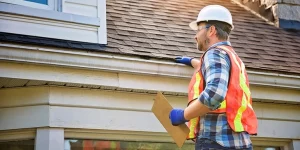
Conducting a thorough roof inspection requires a systematic approach to identify potential issues effectively. The first step involves visually examining the roof for any obvious signs of damage, such as missing shingles or sagging areas. Next, inspecting the gutters and downspouts for debris accumulation can reveal drainage problems that may lead to leaks. A closer look at flashing around chimneys and vents is vital, as compromised seals can cause significant water intrusion. Additionally, examining the attic for signs of moisture or mold indicates potential roof leaks. Finally, documenting findings and prioritizing repairs guarantees that any identified issues are addressed promptly. Following these roof inspection steps empowers homeowners to maintain a safe and functional living environment.
The Financial Benefits of Proactive Roof Maintenance
Proactive roof maintenance offers considerable financial advantages that extend beyond mere aesthetics. By investing in regular upkeep, homeowners can safeguard their properties against costly issues, ensuring long-term savings. The financial benefits are manifold:
- Extended Roof Lifespan: Regular inspections and maintenance can considerably prolong the life of roofing materials.
- Energy Efficiency: A well-maintained roof can enhance insulation, reducing energy costs.
- Increased Property Value: A sound roof contributes positively to overall property value, appealing to potential buyers.
- Insurance Premiums: Some insurance companies offer lower rates for properties with documented maintenance, reducing overall insurance costs.
Through these proactive measures, homeowners can enjoy peace of mind while protecting their investments. Investing in roof inspection steps today can lead to substantial financial rewards in the future.
Avoid Costly Repairs by Addressing Roof Problems Early
Identifying and addressing roof problems early can greatly reduce the likelihood of costly repairs down the line. Regular roof inspection steps facilitate the early detection of issues such as leaks, damaged shingles, or weakened structures. By prioritizing these inspections, homeowners can address minor problems before they escalate into major damages that require extensive repairs or even complete roof replacement. For instance, a small leak, if left unattended, can lead to mold growth and structural deterioration, incurring significant costs. Additionally, early intervention often allows for more affordable repair options, preserving the roof’s integrity and lifespan. Engaging in proactive roof maintenance fosters a sense of community, as homeowners collectively benefit from shared knowledge and support in ensuring their homes remain safe and sound.
Tips for Choosing the Right Roof Inspection Pro
When selecting the right roof inspection professional, what criteria should homeowners prioritize? Understanding these factors can guide homeowners in making a wise decision that ultimately protects their investment.
- Credentials and Certifications: Confirm the inspector has relevant qualifications and training.
- Experience: Look for professionals with a proven track record in roof inspections.
- Reviews and References: Check testimonials and ask for references to gauge past performance.
- Comprehensive Reporting: A good inspector should provide detailed assessments and recommendations based on findings.
Frequently Asked Questions
How Often Should I Schedule Roof Inspections?
Experts recommend scheduling roof inspections at least twice a year, ideally in spring and fall. This proactive approach helps identify potential issues early, ensuring the roof remains in excellent condition and prolonging its lifespan.
Can I Perform Roof Inspections Myself?
While individuals can perform basic roof inspections themselves, a thorough evaluation often requires professional expertise. Proper training and knowledge of roof inspection steps are essential to identify potential issues and guarantee safety and effectiveness.
What Tools Do I Need for a Roof Inspection?
For effective roof inspections, essential tools include a sturdy ladder, flashlight, moisture meter, binoculars, and safety gear. These instruments facilitate a thorough assessment, ensuring all critical areas are examined for potential issues during the inspection process.
Are There Signs of Roof Damage I Can See From the Ground?
From the ground, one can observe sagging areas, missing shingles, discoloration, or stains on the roof’s surface. These signs often indicate potential damage, warranting further inspection to prevent more significant issues and costly repairs.
How Long Does a Typical Roof Inspection Take?
A typical roof inspection takes approximately one to two hours, depending on the roof’s size and condition. This thorough evaluation involves checking for damage, wear, and potential issues requiring attention to guarantee long-term integrity.
Conclusion
In summary, regular roof inspections are a crucial investment for homeowners seeking to safeguard their property. By systematically identifying minor issues before they escalate, these inspections not only prevent costly repairs but also enhance the longevity of roofing materials. The proactive approach fosters energy efficiency and preserves home value, ultimately leading to substantial financial savings. Homeowners who prioritize roof maintenance can secure their investment and guarantee the integrity of their property for years to come.
You May Also Like to Read: